
联系我们
来源:https://www.cx-fire.com/ 日期:2026-11-16
很多项目现场,报警阀组装完通水,以为“有水就能喷”,结果验收放水时要么迟迟不报警,要么误报不断。问题往往不出在阀体本身,出在前后管路和调试逻辑。
On many project sites, the alarm valve is assembled and water is supplied, thinking that "if there is water, it can spray". However, when accepting and releasing water, either the alarm is delayed or there are constant false alarms. The problem often lies not in the valve body itself, but in the front and rear pipelines and debugging logic.
先说报警阀的“三件事”建议分清:
Firstly, the "three things" of the alarm valve must be distinguished:
第一件:平时关着,火情时阀瓣打开,水进系统侧;
The first item: usually closed, the valve disc opens in case of fire, and water enters the system side;
第二件:打开瞬间,一路小水流冲进报警管路,驱动压力开关和水力警铃;
Second item: At the moment of opening, a small stream of water rushes into the alarm pipeline, driving the pressure switch and hydraulic alarm bell;
第三件:压力开关信号回传给消防主机,联动启泵。
The third item: The pressure switch signal is transmitted back to the fire protection host, and the pump is started in conjunction.
这三步明显一环卡住,系统就变成“哑巴喷淋”。
If any of these three steps gets stuck, the system becomes a 'mute spray'.
延迟器是误报的守门员。
Delay is the goalkeeper for false alarms.
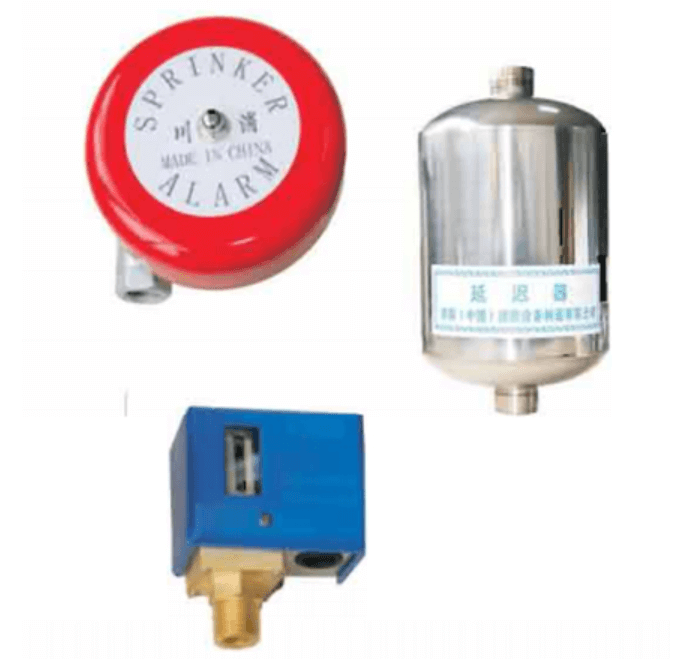
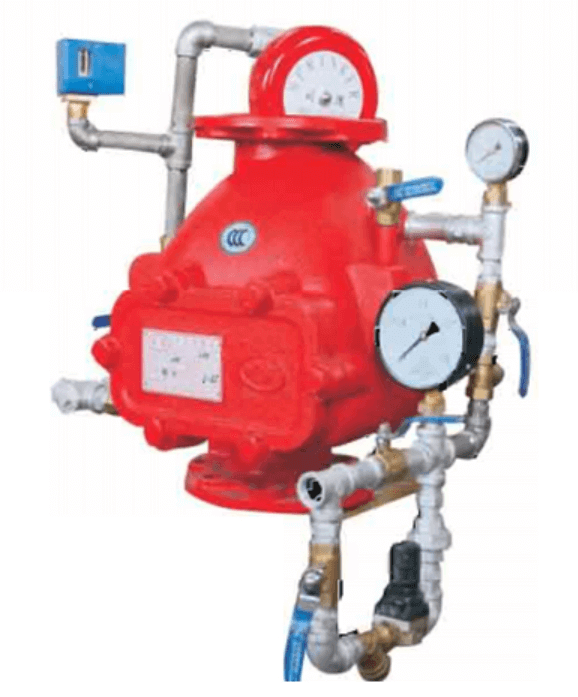
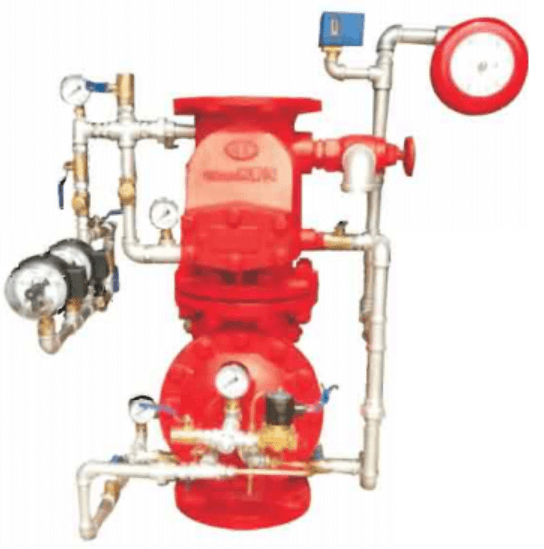
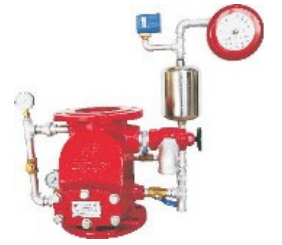
湿式报警阀下面那个小罐子——延迟器,作用是让瞬间波动的小水流排掉,只有持续水流才触发报警。安装时延迟器排水口建议通大气,不能堵、不能接回供水管。堵了=误报;接回水管=永远不报警。调试时故意短暂放水测延迟器排水,看是否复位干净。
The small jar under the wet alarm valve - the delay device - is used to discharge the small water flow that fluctuates instantly, and only continuous water flow triggers the alarm. During installation, the drain outlet of the delay device must be open to the atmosphere and cannot be blocked or connected back to the water supply pipe. Blocked=false alarm; Reconnect the water pipe=never alarm. Intentionally briefly release water during debugging to test the delay of the water drainage and see if it is reset completely.
报警管路上的过滤器别省。
Save the filter on the alarm pipeline.
水力警铃和压力开关前端的过滤网,拦的是管道焊渣、锈皮。很多项目通水前没冲管,一开阀,渣子堵进报警管路小孔,水流过不去,警铃不响、压力开关不动作。验收前建议单独拆洗一次。
The filter screen at the front end of the hydraulic alarm bell and pressure switch blocks pipeline welding slag and rust. Many projects do not flush the pipes before water supply, and when the valve is opened, debris blocks the small holes in the alarm pipeline, preventing water from flowing through, the alarm bell does not sound, and the pressure switch does not operate. It must be disassembled and washed separately before acceptance.
压力开关的接线和设定值要对。
The wiring and setting values of the pressure switch should be correct.
压力开关有两副触点:一副直接启泵(硬线),一副传信号给主机。调试时分别测:只靠压力开关能不能把泵拉起来,不依赖主机程序。设定值别调太低——管网正常压力波动就动作,属于误启泵。
The pressure switch has two sets of contacts: one directly starts the pump (hard wire), and the other sends a signal to the host. During debugging, test separately whether the pump can be pulled up solely by the pressure switch, without relying on the host program. Do not set the value too low - if the pressure fluctuation in the pipeline network occurs normally, it will cause the pump to malfunction.
末端试水装置不是摆设。
The end water testing device is not a decoration.
每个报警阀控制的系统非常远端,末端试水阀打开后,压力表读数要≥0.05MPa,且5分钟内压力开关动作、水力警铃响、消防泵启动。测的时候带块秒表:从开阀到警铃响,超过90秒算不合格。
At the farthest end of each alarm valve controlled system, after the end water test valve is opened, the pressure gauge reading should be ≥ 0.05MPa, and within 5 minutes, the pressure switch should be activated, the hydraulic alarm bell should ring, and the fire pump should be started. When testing, bring a stopwatch: from opening the valve to sounding the alarm bell, if it exceeds 90 seconds, it is considered unqualified.
水源侧和系统侧压力表要对照看。
The pressure gauges on the water source side and system side should be compared.
平时两表压差不该超过0.01MPa(湿式系统)。压差大说明阀瓣微漏,可能是座圈有杂物或橡胶老化。别等验收才发现,每月巡检看一眼表就知道了。
Normally, the pressure difference between the two gauges should not exceed 0.01 MPa (for wet systems). A large pressure difference indicates slight leakage of the valve disc, which may be due to debris or rubber aging in the seat ring. Don't wait for the inspection to discover, just check the watch every month during the monthly inspection.
调试顺序记死:
Debugging order is fixed:
冲管→装阀→延迟器排水检查→报警管路过滤器清洗→末端试水测联动→压力开关硬线启泵测试→警铃声响确认。
Pipe flushing → Valve installation → Delay device drainage inspection → Alarm pipeline filter cleaning → End water test linkage → Pressure switch hard wire pump start test → Alarm bell sound confirmation.
报警阀组是整个喷淋系统的“喉咙”。它不响,后面再多的喷头和管道都是沉默的摆设。
The alarm valve group is the "throat" of the entire sprinkler system. It doesn't make a sound, no matter how many nozzles and pipes there are behind, they are all silent decorations.